
Sarasota Jungle Gardens
Sarasota Jungle Gardens
By: John Ishmael Acuyado | June 18, 2026
Here are some of the most important things to remember about Sarasota Jungle Gardens:
Key Takeaways
- Sarasota Jungle Gardens has a long history, starting as a banana grove and evolving into a beloved attraction since 1939.
- The gardens are famous for their free-roaming flamingos, where visitors can hand-feed these colorful birds.
- You can get up close with various animals, including reptiles, parrots, and lemurs, through interactive exhibits and shows.
- The grounds feature a diverse collection of native and exotic plants, creating a beautiful botanical backdrop.
- It's a great spot for families, offering hands-on activities, photo opportunities, and educational experiences for all ages.
History and Heritage of Sarasota Jungle Gardens
Origins as a Swampy Banana Grove
The history of Sarasota Jungle Gardens is a remarkable story of vision, transformation, and perseverance.
- Began as a largely undeveloped area consisting of swampy terrain and banana groves during the 1920s
- Captured the attention of local newspaperman David Breed Lindsay, who recognized its untapped potential
- Was purchased in the early 1930s with the goal of creating a unique botanical attraction
- Underwent extensive clearing, planting, and landscape development to transform the property
- Evolved from challenging natural conditions into one of Sarasota's most recognizable attractions
Taken together, these early efforts laid the foundation for Sarasota Jungle Gardens. What was once considered an impenetrable swamp gradually became a thriving tropical garden, reflecting the determination and vision of its founder. Today, the attraction stands as both a botanical destination and a reminder of how careful planning and long-term stewardship can transform a challenging landscape into a cherished community landmark.
Family Ownership and Legacy
The development of Sarasota Jungle Gardens progressed quickly during its early years, transforming from an ambitious vision into a well-established Sarasota attraction.
- Welcomed visitors as early as 1936, when guests could pay a small admission fee to explore the developing gardens
- Officially opened as a public attraction by 1940, marking an important milestone in its growth
- Continued expanding its collection of tropical plants, wildlife, and visitor experiences throughout the following decades
- Entered a new chapter in the early 1970s when the Allyn family assumed ownership
- Remains a family-operated destination, with the Allyn family continuing to guide its preservation and development
Taken together, these milestones illustrate the enduring appeal of Sarasota Jungle Gardens. From its humble beginnings in the 1930s to its long-standing stewardship under the Allyn family, the attraction has maintained its reputation as a beloved family-friendly destination while preserving the character and charm that have drawn generations of visitors.
Evolution Into a Beloved Attraction
Over the decades, Sarasota Jungle Gardens has grown from its swampy beginnings into a vibrant attraction. It’s not just about the plants anymore; it’s the unique blend of exotic animals, interactive experiences, and beautiful botanical displays that draws people in.
The gardens have managed to keep that intimate feel, almost like visiting a friend's sprawling backyard, rather than a typical, crowded zoo. It’s a place that has truly blossomed, offering a memorable experience for generations of visitors. If you're exploring the area, it's definitely worth checking out, perhaps after a visit to Manatee Village Historical Park to get a feel for local history.
Exotic Animals and Signature Wildlife Experiences
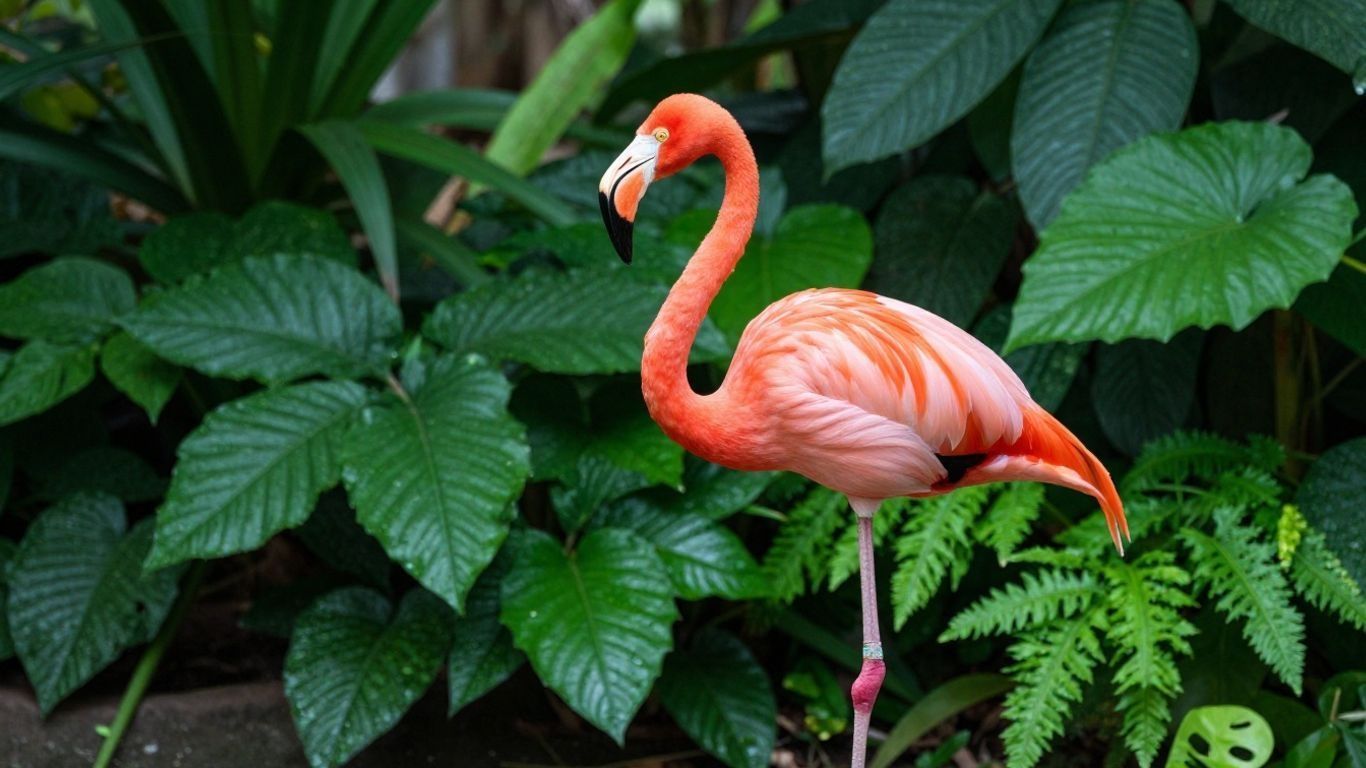
Visiting Sarasota Jungle Gardens is a bit like wandering into someone’s quirky backyard—if that someone happened to have a collection of flamingos, parrots, and reptiles on hand. You really feel close to the animals here—not just staring at them behind glass, but walking, feeding, and, sometimes, holding them. There’s something about surprising a towering bird with a snack that sticks with you longer than any photo. Let’s walk through some of the experiences you’ll want to try:
Hand-Feeding the Flamingos
These birds are the true celebrities of Jungle Gardens. You can actually hand-feed them as they stroll freely around the pond and walking paths. Don’t be surprised if the flamingos come right up to you, hoping for a treat—you’ll be up close to all those pink feathers and curious stares. Here are a few tips for the best experience:
- Buy a bag of flamingo food at the entrance—it’s worth it!
- Move slowly; the birds aren’t shy, but they do appreciate calm visitors.
- Keep your camera or phone handy for some hilarious selfies.
Feeding a flamingo for the first time can be weirdly thrilling. Their beaks tickle a bit, and at least one will try to grab the whole bag if you’re not careful.
Interactive Reptile Exhibits
If you want something a little less feathery, head to the reptile area. Jungle Gardens gives you a chance to see alligators, snakes, iguanas, and tortoises up close. The best part: you can actually hold a small alligator (with supervision, of course). It’s usually not too crowded here, so take your time.
Some popular reptile encounters include:
- Holding a baby alligator (perfect for the family photo album)
- Watching feeding demonstrations
- Checking out the giant tortoise and learning a few fun facts about its habits
Bird and Parrot Shows
There’s a real element of chaos and charm when a parrot show kicks off at Sarasota Jungle Gardens. These birds are loud, colorful, and surprisingly talented—from bike riding to talking and more. The shows run several times a day, so you don’t really have to plan ahead, but it’s smart to check the schedule when you arrive. Here’s what you can expect:
- Parrots showing off tricks and getting lots of laughs
- Education about bird care and their personalities
- The chance for a kid (or enthusiastic grown-up) to be part of the show for a moment
If you’ve ever wandered around Bradenton, you might notice that hands-on wildlife encounters are a real theme in the area. Sarasota Jungle Gardens just puts it all together in one colorful, easy-to-navigate place. It’s definitely worth adding to your list if you’re trying to get the most out of family-friendly adventures near Bradenton.
If you’re a lover of animals, or just want a break from the usual beach day, the animal experiences here are memorable. You leave with more than just photos—there’s a story about the flamingos, or the alligator, that you’ll end up telling over and over.
Botanical Diversity Throughout the Gardens
Sarasota Jungle Gardens isn't just about the animals; it's a living, breathing showcase of plant life from all over the world, thriving right here in Florida. Walking through the grounds feels like a journey across continents, with lush greenery and vibrant blooms around every corner. The sheer variety of flora is astounding, transforming the gardens into a botanical wonderland.
Native Florida Plants and Trees
The gardens pay homage to the Sunshine State's natural beauty by featuring a wide array of native plants. You'll see towering Royal Palms, majestic Live Oaks draped with Spanish moss, and the striking Bald Cypress trees that are so iconic to Florida's wetlands. These native species not only provide a beautiful backdrop but also support local wildlife, creating a truly integrated ecosystem.
- Red Maples: Offering brilliant color in the fall, a rare sight in many parts of Florida.
- Saw Palmetto: A hardy native shrub that provides food and shelter for many small animals.
- Coontie Fern: An ancient plant that was a food source for the Seminole people.
Rare and Exotic Global Species
Beyond the local flora, Sarasota Jungle Gardens boasts an impressive collection of plants from distant lands. It's a chance to see species you might only read about or glimpse in faraway places. Keep an eye out for:
- Bunya-Bunya Tree: An Australian native with unique, large cones.
- Peruvian Apple Cactus: Known for its edible fruit and striking appearance.
- Australian Nut Tree: A large tree that produces edible nuts.
The gardens are a testament to the vision of transforming a once-swampy banana grove into a place where diverse plant life can flourish. It's a careful curation that balances the wild beauty of Florida with botanical treasures from across the globe.
Seasonal Blooms and Scenic Spots
No matter when you visit, there's always something in bloom. The gardens are designed with seasonal beauty in mind, ensuring that different areas offer unique visual delights throughout the year.
From the vibrant flowers of spring to the lush, deep greens of summer and the subtle beauty of autumn, the landscape is constantly evolving. Certain spots are particularly picturesque, offering perfect backdrops for photos or simply a quiet place to pause and appreciate nature's artistry.
If you're interested in learning more about regional ecosystems, a visit to The Bishop Museum of Science and Nature can offer further insights into Florida's natural heritage.
Family-Friendly Activities and Animal Encounters
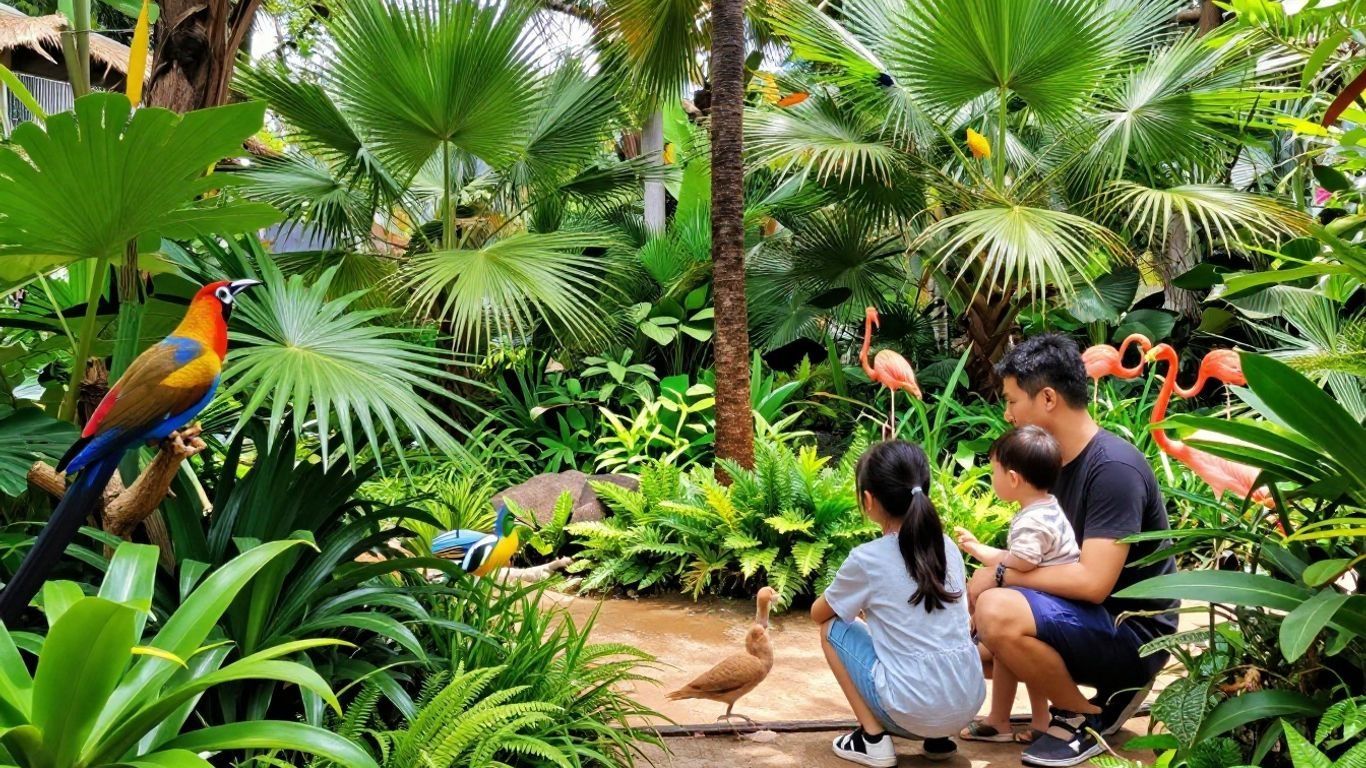
Sarasota Jungle Gardens is packed with ways for everyone in the family to get up close and personal with the amazing animals that call this place home. It’s not just about looking; it’s about experiencing!
Kids’ Hands-On Animal Experiences
This is where the magic really happens for the little ones. Imagine holding a baby alligator or getting a chance to pet a furry creature they’ve only seen on TV. These aren't just fleeting moments; they're opportunities for genuine connection and learning. The staff are great at making sure these interactions are safe and educational, so kids can really feel the texture of a reptile's skin or the softness of a bird's feather.
- Reptile Encounters: Get a chance to meet and learn about various snakes, lizards, and even baby alligators. It’s a fantastic way to demystify these often misunderstood creatures.
- Small Mammal Meet-and-Greets: Depending on the day, you might get to interact with some of the smaller, friendlier residents of the gardens.
- Educational Talks: Keep an ear out for informal talks where keepers share fun facts and answer questions about the animals.
These interactive sessions are designed to spark curiosity and build a lasting appreciation for wildlife. They offer a unique perspective that goes beyond what you can see in a typical zoo setting.
Photo Opportunities and Parrot Encounters
One of the highlights of visiting Sarasota Jungle Gardens is the opportunity to capture unique photos with some of its most popular animal residents.
- Hand-feed vibrant flamingos and enjoy one of the attraction’s signature experiences
- Take memorable photos surrounded by the gardens’ iconic pink-feathered residents
- Interact with colorful parrots known for their intelligence and engaging personalities
- Watch parrots demonstrate their ability to mimic sounds and interact with visitors
- Create family-friendly vacation memories that go beyond traditional sightseeing photos
Taken together, these interactive encounters help make Sarasota Jungle Gardens a favorite destination for visitors of all ages. The combination of up-close animal experiences, tropical scenery, and colorful wildlife creates countless opportunities for memorable photographs while adding an engaging and personal element to every visit.
Butterfly and Lemur Interactions
Step into a world of fluttering beauty in the butterfly garden. It’s a peaceful escape where you can wander among hundreds of colorful butterflies. Sometimes, they’re so comfortable they’ll land right on you! It’s a serene experience that’s perfect for all ages.
Then there are the lemurs! These playful primates are always a hit with their energetic antics. While direct interaction might be limited for their safety, observing them up close is a joy.
You can often see them leaping through their habitat, providing endless entertainment. It’s a great chance to see these unique animals in a setting that feels quite natural, making it a highlight for many visitors looking for unique wildlife experiences.
Visitor Amenities and On-Site Services
Café and Picnic Areas
Feeling peckish after wandering through the gardens? There's a café right on-site, ready to serve up some tasty treats and refreshing drinks. It’s a convenient spot to grab a quick bite without having to leave the fun. If you prefer to bring your own grub, no problem! Sarasota Jungle Gardens welcomes visitors to pack a picnic basket and find a shady spot to enjoy your meal. It’s a great way to save a little money and enjoy your favorite foods surrounded by nature.
Gift Shop and Souvenirs
Before wrapping up your visit, be sure to spend a little time exploring the gift shop, which offers a variety of souvenirs and keepsakes inspired by the gardens and its wildlife.
- Browse plush animals and nature-themed toys that are popular with younger visitors
- Shop for apparel such as t-shirts, hats, and other Sarasota Jungle Gardens memorabilia
- Discover unique gifts, local crafts, and decorative items that reflect the area's character
- Find educational books, games, and wildlife-themed products for children and nature enthusiasts
- Pick up a meaningful souvenir to commemorate your visit or share with friends and family
Taken together, these offerings provide a fun way to extend the experience of visiting Sarasota Jungle Gardens. Whether you're searching for a memorable keepsake, a gift for a loved one, or a reminder of the gardens' tropical beauty and wildlife encounters, the gift shop offers plenty of options to help commemorate a day spent exploring one of Sarasota's most beloved attractions.
Accessibility and Facility Features
Sarasota Jungle Gardens strives to provide an enjoyable and accessible experience for visitors of all ages and mobility levels.
- Navigate a network of main pathways designed to accommodate a wide range of guests
- Take advantage of staff assistance when needed throughout the gardens
- Access conveniently located restroom facilities during your visit
- Use the park map to plan your route and prioritize exhibits, gardens, and animal encounters
- Enjoy a welcoming environment supported by knowledgeable staff who can answer questions and provide guidance
To make the most of your visit to Sarasota Jungle Gardens, it's helpful to prepare for Florida's warm climate by bringing water, wearing comfortable footwear, and allowing plenty of time to explore. Because the attraction is set within a natural tropical environment, some areas may feature uneven terrain, but thoughtful planning and a flexible pace can help ensure a comfortable and memorable experience. The combination of accessible amenities, friendly staff, and well-maintained grounds helps make Sarasota Jungle Gardens a welcoming destination for families, couples, and nature enthusiasts alike.
Planning Your Visit to Sarasota Jungle Gardens
Getting your trip to Sarasota Jungle Gardens organized can save you some hassle and help you make the most of your time. The gardens are pretty easy to explore on your own, but having a loose plan definitely pays off. Here’s what to know:
Admission Options and Memberships
Want to skip the line or catch a little discount? Buying your tickets ahead of time online will save you $2 per person—which isn’t a ton, but adds up if you’re bringing a crew. The gardens also offer memberships if you think you’ll be back more than once a year—they cover unlimited admission and extra perks.
| Ticket Type | At Door Price | Online Price | Notes |
|---|---|---|---|
| Adult (Ages 13+) | $22 | $20 | |
| Child (Ages 4-12) | $13 | $11 | |
| 3 & Under | Free | Free | |
| Annual Family Pass | $99+ | $99+ | Covers 2 adults + 1 child (varies) |
General admission includes all shows, animal encounters (except premium ones), and access throughout the gardens. For special animal encounters or photo packages, grab those tickets at the main entrance when you arrive.
Tips for Beating the Heat
Let’s be real: Florida gets steamy, especially by midday. Even though the gardens are full of shady spots, plan ahead so you’re not melting by the flamingo pond. Here’s how:
- Bring a refillable water bottle (there are fountains and a café for cold drinks)
- Wear comfy shoes (the paths cover about 10 acres)
- Go early in the day or later in the afternoon for cooler temps and lighter crowds
- Don’t forget sunscreen and maybe a hat
- Take breaks on benches shaded by massive oaks or near the café
On hot days, the best move is to wander, pause, and actually relax—a rare thing at most theme parks. Sometimes you really do remember the lunches in the shade more than the shows.
Showtimes and Map Navigation
The star animal shows (parrots, reptiles, native Florida critters) run on a posted schedule and can fill up, especially on weekends or school holidays. Check the whiteboard by the entrance or ask for a printed schedule. Most shows repeat, but you’ll want to prioritize the ones you can’t miss:
- Check the show schedule the moment you get in
- Grab a map at the ticket window (this makes it way harder to get turned around)
- Circle the feeding times if you want to hand-feed flamingos or catch keeper talks
- Leave wiggle room in your day to backtrack if you find a favorite animal
- If you’re visiting with little ones, pace yourselves—the grounds are big (when you’re four, every step counts!)
In a nutshell, planning ahead means less rushing and more of those little, silly animal moments that actually make the day. Sarasota Jungle Gardens isn’t giant or overwhelming, but a little structure and a cold drink go a long way.
Sarasota Jungle Gardens’ Role in Conservation and Education
Sarasota Jungle Gardens isn't just about seeing cool animals and pretty plants; it's also a place that cares a lot about teaching people and protecting nature. They really try to make sure visitors leave with a better appreciation for the environment and the creatures that live in it. It's a spot where fun encounters lead to learning and a desire to help conserve wildlife.
Educational Programs for All Ages
They've got a bunch of programs designed to get everyone involved, from little kids to adults. It’s not just lectures; it’s hands-on stuff that makes learning stick.
- School Field Trips: They welcome school groups and tailor the experience to different age levels, making biology and ecology come alive.
- Junior Zookeeper Programs: Kids can get a behind-the-scenes look at animal care, learning about diets, habitats, and the daily routines of the animals.
- Public Workshops: Throughout the year, they host events focused on specific animals or conservation topics, often featuring talks by animal keepers.
The goal is to spark curiosity and provide practical knowledge that people can take home with them, encouraging a lifelong interest in the natural world.
Conservation Efforts and Community Engagement
Beyond the educational side, Sarasota Jungle Gardens actively participates in conservation. They understand that places like this have a responsibility to help protect species and habitats.
- Habitat Preservation: They focus on maintaining and improving the natural habitats within the gardens for the animals that live there. This includes planting native species and creating environments that mimic natural settings.
- Supporting Wildlife Rehabilitation: While not a primary rehabilitation center, they often partner with local organizations that rescue and care for injured wildlife, sometimes featuring ambassador animals that educate the public.
- Community Partnerships: They work with local schools and environmental groups to promote conservation messages and participate in community events. This helps spread awareness beyond the garden's gates.
Inspiring Environmental Awareness
Ultimately, the experience at Sarasota Jungle Gardens is designed to leave a lasting impression. By creating positive interactions with animals and showcasing the beauty of diverse plant life, they aim to inspire a sense of stewardship.
Whether it's learning about the importance of a specific species or understanding the impact of habitat loss, the gardens provide a tangible connection to the wider world of conservation. For those interested in similar natural spaces, exploring places like Robinson Preserve can offer another perspective on Florida's diverse ecosystems and the importance of their protection.
Sarasota Jungle Gardens plays a vital role in teaching people about nature and protecting animals. They offer fun ways for everyone to learn about wildlife and why it's important to keep it safe. Want to discover more about their amazing work? Visit our website to explore how you can get involved and support these important efforts.
Conclusion
Sarasota Jungle Gardens offers a unique blend of natural beauty and animal encounters that makes for a memorable day out. From its historical roots to its vibrant present, the gardens provide a space for learning, fun, and connection with the natural world. Whether you're a local or a visitor, a trip here is sure to leave you with lasting memories and a greater appreciation for the wildlife and plants that call Florida home.
Turn Your Sarasota Adventure Into a Bradenton Getaway
A visit to Sarasota Jungle Gardens is an easy way to add wildlife, tropical scenery, and family-friendly fun to your Gulf Coast trip. After meeting flamingos, exploring the gardens, and enjoying the animal encounters, head back to Cedar Run Resort for a comfortable place to relax and recharge.
With convenient access to attractions throughout Bradenton and Sarasota, Cedar Run Resort makes it easy to build a vacation around beaches, nature, local dining, and memorable day trips. Explore accommodations, resort amenities, and more and start planning your next Florida getaway.
Frequently Asked Questions
What is Sarasota Jungle Gardens?
It's a place in Sarasota, Florida, where you can see lots of cool plants and animals. Think of it like a botanical garden mixed with a small zoo, but way more personal and fun.
Can I feed the animals?
You can definitely feed the flamingos! They sell special food for them, and you can walk right up to them. For other animals, it's best to check with the staff, as they usually have specific feeding times or programs.
Is it good for kids?
Oh yeah, totally! Kids love it. There are shows, chances to see and sometimes even touch animals like baby alligators, and lots of colorful birds. It's a great place for them to learn and have fun.
What kind of animals are there?
Besides the famous flamingos, you'll see all sorts of birds, like parrots and owls. They also have reptiles like snakes and lizards, and some cute mammals like lemurs. It's a pretty wide variety for a garden setting.
How long does it take to visit?
Most people spend about 2 to 3 hours there. You can take your time walking around, watch a show, and maybe grab a snack. If you want to see everything and really relax, you might want to plan for a bit longer.
What should I bring?
Definitely bring water, especially if it's hot! Comfortable shoes are a must since you'll be walking. A camera is also a good idea to capture all the amazing sights. You can also bring a picnic to enjoy in their picnic areas.