
Where to Spot Dolphins Near Bradenton
Where to Spot Dolphins Near Bradenton
By: John Ishmael Acuyado | June 39, 2026

Where to Spot Dolphins Near Bradenton | Anna Maria Island & Best Dolphin Tours
Key Takeaways
Finding dolphins in the wild requires patience, local knowledge, and an understanding of their natural behavior. Here are the essential points for your wildlife adventure:
- Book guided boat tours for higher success rates and educational narratives.
- Visit early mornings or late afternoons when dolphins are most active.
- Respect wildlife by maintaining distance and strictly avoiding feeding.
- Use designated observation points like fishing piers for land-based success.
- Combine your adventure with a comfortable stay at Cedar Run Resort to maximize your time exploring local waterways.
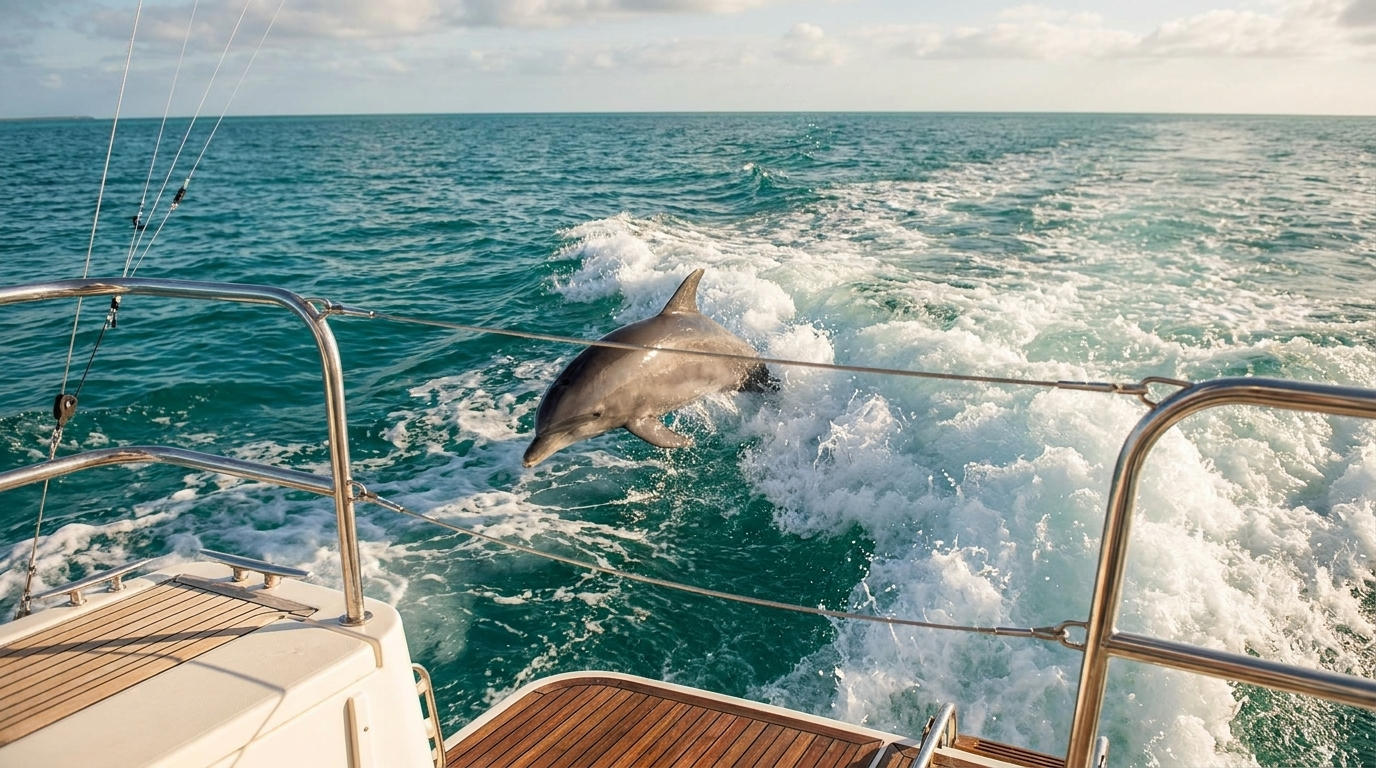
Dolphin watching boat tours in the Bradenton area
Exploring the waters around the Gulf Coast by boat remains the most reliable way to encounter playful pods in their natural home. Many professional charters depart daily from nearby marinas, providing guests with an intimate look at the local aquatic life while ensuring safety for both passengers and the animals.
Choosing a reputable tour operator
Selecting an operator who prioritizes animal welfare is essential for a sustainable experience. Look for companies that employ Coast Guard-certified captains who follow established guidelines regarding wildlife interaction, as this ensures your visit supports responsible eco-tours while protecting the animals you hope to see.
Benefits of guided wildlife narration
Expert guides do more than just drive the boat; they act as mobile encyclopedias for the local ecosystem. They can point out subtle surface behaviors like tail-slapping or logging, helping you understand complex marine patterns that you would likely miss on your own.
Typical tour durations and group sizes
Most guided excursions run between two and three hours, which is the perfect window to travel to active feeding grounds without rushing. Small-group tours are particularly recommended, as they offer a more personalized atmosphere and better vantage points from the deck.
Booking during peak tourist seasons
Demand for water excursions spikes significantly between December and April, when seasonal visitors flock to the coast for the warm climate. It is wise to secure your spot weeks in advance to ensure you have a seat on the specific boat that fits your travel schedule.
Prime land-based viewing locations
Not every wildlife-viewing experience requires getting out on the water. Bradenton offers several scenic public access points where visitors can relax and enjoy peaceful waterfront views while watching for marine life.
- Visit public waterfront areas that provide unobstructed views of the surrounding waterways
- Bring a chair or a thermos of coffee to enjoy a comfortable and leisurely wildlife-watching experience
- Spend time observing the water, where pods of marine mammals and other local wildlife may occasionally pass by
Together, these shoreline locations offer a relaxing way to appreciate Bradenton's natural beauty without leaving dry land. With a little patience and a scenic spot by the water, visitors can enjoy memorable wildlife sightings while soaking in the area's peaceful coastal atmosphere.
The Bridge Street Pier
This historic structure offers a unique advantage by extending deep into the bay, providing unobstructed views of the channels where local dolphins often patrol for fish. It is a favorite spot for locals looking to enjoy a sunrise while scanning the surface for movement.
Manatee Public Beach observation points
Visitors often appreciate Manatee Public Beach for its convenience and wide, open views of the Gulf. From the shoreline, you can watch the horizon for the telltale arch of a dorsal fin, especially during calm surf conditions.
Coquina Beach shoreline vistas
Spanning the southern end of the island, this beach is famous for its natural beauty and stunning sugar-sand shores. The clear, shallow water here makes it significantly easier to spot movement beneath the surface as pods move along the coast.
Tips for spotting pods from the shore
To successfully spot dolphins, you should organize your day based on the best viewing conditions. The following table provides a quick reference for our top local recommendations:
| Location | Best Feature | Viewing Potential |
|---|---|---|
| Bridge Street Pier | Channel Access | High |
| Manatee Public Beach | Wide Open Views | Good |
| Coquina Beach | Clear Shallow Water | High |
These vantage points are accessible for anyone looking for a relaxed experience, especially when you are staying at Cedar Run Resort and want a quick trip to the coast.
Exploring by kayak or paddleboard
For travelers seeking a quieter way to experience nature, kayaking offers an immersive opportunity to explore Bradenton's peaceful back bays and coastal waterways. Paddling through these calm areas provides a closer connection to the surrounding environment and its wildlife.
- Explore back bays and sheltered waterways at a slower, more peaceful pace
- Access narrow channels and shallow areas that are often inaccessible to larger boats
- Increase your chances of observing wildlife in the natural habitats where many species prefer to gather
Together, these advantages make kayaking one of the most rewarding ways to experience Bradenton's coastal ecosystems. The quiet approach allows visitors to appreciate the area's natural beauty while enjoying a closer, more respectful connection with local wildlife.
Navigating the Robinson Preserve waterways
Robinson Preserve provides an extensive network of calm, mangrove-shaded routes that are perfect for beginners and pros alike. The winding channels here act like high-speed highways for marine life, making it common to see pods navigating the shallows.
Staying quiet to approach wildlife safely
Reducing noise is an important part of responsible wildlife viewing, especially in sensitive coastal environments where animals are easily disturbed. Using quiet, non-motorized movement helps preserve natural behaviors and improves the quality of the experience.
- Minimize noise in the water to avoid disturbing marine wildlife such as dolphins and birds
- Use paddling methods instead of motorized propulsion when navigating mangroves and shallow waterways
- Move slowly and respectfully through natural habitats to increase the likelihood of observing undisturbed wildlife behavior
Together, these practices support more sustainable and rewarding wildlife encounters. By maintaining a quiet presence in the water, visitors can improve their chances of observing animals in their natural state while helping protect the integrity of coastal ecosystems.
Best weather windows for paddle excursions
Planning your trip around low-wind days is crucial for visibility and physical comfort. Below are the key safety steps for your paddle:
- Check the local marine VHF weather radio reports.
- Apply high-SPF sunscreen and wear a lightweight hat.
- Bring a waterproof camera bag for your electronics.
- Always paddle with a partner for extra visibility.
Once you return from your excursion, the comfort of Cedar Run Resort provides the perfect place to rejuvenate after a sunny day on the water.
Renting equipment from local vendors
You do not need to haul your own boat to appreciate the local waterways, as several reputable vendors offer high-quality rental equipment. Many shops provide introductory lessons if you are inexperienced, ensuring you feel confident before heading out into the tidal creeks.
Best times of day and seasonal factors
Understanding natural patterns in the Gulf can significantly improve wildlife viewing experiences, particularly when observing dolphins in coastal environments. While sightings are never guaranteed, certain environmental conditions can increase the likelihood of encounters.
- Pay attention to natural tidal patterns, currents, and calm water conditions that often influence marine wildlife movement
- Observe early morning or late afternoon periods when marine activity is typically more active and visibility conditions are favorable
- Learn from local knowledge and environmental cues that help identify times when dolphins are more likely to surface
Together, these insights help visitors better understand how marine life interacts with its environment. By aligning observation efforts with natural rhythms, wildlife enthusiasts can improve their chances of meaningful sightings while fostering a deeper appreciation for the Gulf’s ecosystem.
Early morning and late afternoon activity
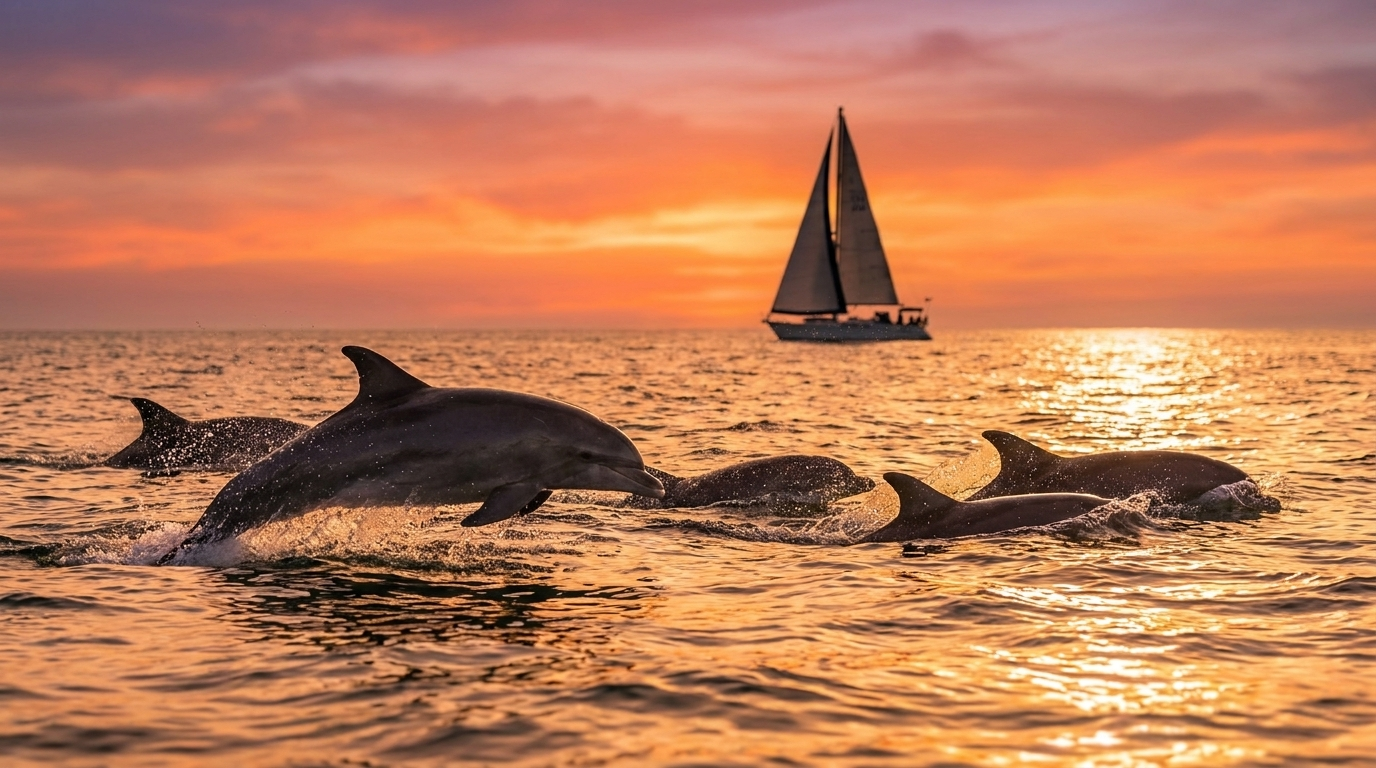
Dawn and dusk often provide the best opportunities for observing dolphins in coastal waters due to calmer conditions and reduced human activity. These natural light and movement patterns can make wildlife easier to spot and follow.
- Early morning and late evening typically feature calmer water conditions and lower boat traffic
- Dolphins are more active in shallow channels during these quieter periods, often feeding closer to shore
- Silhouettes against sunrise or sunset light can make dolphin movement easier to identify and observe
Together, these conditions create ideal windows for wildlife viewing. By timing observations around natural light cycles and periods of reduced disturbance, visitors can improve their chances of spotting dolphins while enjoying a more peaceful coastal experience.
Influence of tidal movements on hunting
Knowledge of high and low tides dictates where the food goes, which in turn influences dolphin movement. Many experienced watchers believe that the shift between tides flushes bait fish through narrow channels, attracting predators like dolphins to these hotspots.
Seasonal migration patterns in the Gulf of Mexico
Bottlenose dolphins in coastal regions are often year-round residents, but their movement patterns can still shift in response to seasonal environmental changes. These shifts influence how close to shore they are typically observed.
- Many bottlenose dolphins in the area remain in the same region throughout the year as resident populations
- Seasonal variations in water temperature and conditions can influence how close dolphins travel to shore
- Warmer months with stable Gulf temperatures often encourage dolphins to spend more time in nearshore waters
Together, these seasonal behaviors help explain why dolphin sightings may vary throughout the year. By understanding how environmental conditions influence movement, observers can better anticipate when and where dolphins are most likely to appear along the coastline.
How weather conditions impact surface visibility
Wind creates whitecaps and surface chop, which can mask the subtle disruption caused by a surfacing dolphin. A day with low wind speed is always superior for spotting, as it creates a mirror-like finish on the bay that makes every ripple highly visible.
Responsible wildlife viewing practices
Interacting with marine mammals is a privilege that requires care, awareness, and responsible behavior to protect their wellbeing and natural habitats. Following established guidelines helps ensure these animals remain safe and undisturbed.
- Maintain respectful distances and avoid attempting direct contact with marine mammals in the wild
- Follow local regulations and best practices designed to protect dolphins, manatees, and other marine species
- Minimize disturbances by reducing noise, avoiding sudden movements, and respecting natural behaviors
Together, these practices help preserve healthy marine ecosystems and support long-term conservation efforts. By acting responsibly around wildlife, people contribute to the continued survival and thriving presence of these animals in shared coastal environments.
Maintaining a safe distance from pods
Federal guidelines are in place to ensure that humans do not disrupt natural behaviors like hunting, resting, or socializing. Keeping at least 50 yards between your vessel and any dolphin is the golden rule for respectful observation.
Understanding federal regulations and laws
Under the Marine Mammal Protection Act, it is illegal to harass, disturb, or alter the behavior of marine mammals such as dolphins. This includes actions that may seem minor but still interfere with their natural activity patterns.
- Avoid circling dolphins with boats, as this can restrict their movement and cause stress
- Refrain from sudden changes in speed or direction that force dolphins to alter their natural course
- Maintain a respectful distance to ensure animals can continue normal feeding, traveling, and social behaviors
Together, these protections help ensure marine mammals can live and behave naturally without human disruption. Responsible boating and observation practices are essential to preserving healthy coastal ecosystems and complying with federal law.
Why you should never feed wild dolphins
Feeding dolphins changes their natural behavior by making them associate humans with food. This leads to dangerous interactions where they may approach boats, potentially leading to injuries from propellers or consumption of improper food items that cause illness.
Protecting the local habitat and ecosystem
Respecting coastal and marine environments involves simple but important actions that help protect local ecosystems and wildlife. Small, responsible behaviors can collectively make a meaningful difference in preserving natural habitats.
- Leave natural areas as you found them by removing any trash or debris you bring with you
- Properly dispose of or collect hazardous items such as fishing line to prevent harm to marine life
- Avoid idling boats or disturbing sensitive habitats like seagrass beds, which are essential for ecosystem health
Together, these practices support cleaner waterways and healthier coastal environments. By taking responsibility for small actions, visitors and boaters contribute to the long-term protection of marine life and the preservation of shared natural spaces.
Capturing the perfect dolphin photograph
Photographing dolphins successfully requires anticipating motion and preparing for extremely short visibility windows. Because dolphins surface only briefly, photographers must rely on fast reaction time and optimized camera settings to increase their chances of a sharp image.
- Use a fast shutter speed to freeze motion, since dolphins move quickly and unpredictably at the surface
- Track the water surface continuously and anticipate surfacing patterns rather than reacting after the fact
- Shoot in burst mode to capture multiple frames during each brief emergence above the waterline
- Position yourself where visibility is clear and distractions are minimized, improving focus on the water’s surface
Together, these techniques improve the likelihood of capturing a sharp, well-timed dolphin image. Success depends less on luck and more on preparation, awareness of behavior, and consistent readiness at the moment a dolphin breaks the surface.
Choosing the right camera gear for boat tours
A fast shutter speed is your most important tool on the water. Even on a stable boat, the movement of both the vessel and the animal requires a shutter speed of at least 1/1000th of a second to freeze the action and avoid motion blur.
Improving timing for action shots
Successful dolphin photography depends on reading surface cues and reacting slightly ahead of the action rather than after it happens. Observing water movement carefully can help you anticipate where and when a dolphin will reappear.
- Watch for splashes or ripples as early indicators of a dolphin’s recent surfacing point
- Focus your camera on the area where the dolphin last appeared to anticipate its next emergence
- Track patterns in movement to predict timing and position, increasing the likelihood of capturing the peak moment
Together, these techniques help shift photography from reactive to predictive. By concentrating on subtle water disturbances and anticipating movement, photographers can improve their chances of capturing clear, well-timed dolphin shots.
Recognizing dolphin surfacing patterns
Dolphin surfacing behavior often follows recognizable breathing and dive patterns, which can help photographers anticipate more active moments at the surface. Understanding these sequences improves the chances of capturing dynamic shots.
- Dolphins typically surface multiple times in quick succession to take short breaths before a deeper dive
- Observing repeated dorsal fin appearances in the same area can indicate an ongoing surfacing sequence
- Maintaining focus on that location increases the likelihood of capturing a more pronounced final surfacing or movement before the dive
Together, these behavioral cues allow photographers to better anticipate action at the water’s surface. By staying locked onto consistent surfacing points, you can improve timing and increase the chances of capturing a strong, well-composed dolphin image.
Managing lighting conditions on the water
Light reflections on the ocean surface can interfere with autofocus performance and reduce overall image clarity when photographing marine wildlife. Managing glare is an important technical step in achieving sharper, more detailed results.
- Ocean reflections can confuse autofocus systems by creating high-contrast highlights on the water surface
- A polarizing filter helps reduce surface glare, improving visibility through reflections and enhancing water texture
- Reduced glare can also improve detail on dolphins’ dorsal fins and backs as they move through waves
Together, these adjustments help produce clearer, more controlled images in bright coastal conditions. By minimizing surface reflections and improving contrast, photographers can maintain better focus on the subject and capture more defined wildlife shots.
Conclusion
Spotting dolphins near Bradenton is a rewarding experience that highlights the beauty of Florida’s coastal life. By visiting responsibly and choosing the right times to explore, you can enjoy these graceful animals in their natural element while supporting the conservation of our local ecosystem, making every coastal trip even more memorable.
Frequently Asked Questions
Can I see dolphins every day of the year in Bradenton?
Yes, because the local bottlenose dolphin population in our area is non-migratory, they remain in the bays and coastal waters throughout all twelve months of the year.
What is the best way to distinguish a dolphin from a shark?
While both have fins, a shark’s dorsal fin is usually triangle-shaped and stays rigid as it cuts through the water, whereas a dolphin's fin is curved and creates a rhythmic, rolling motion as the animal surfaces to breathe.
Are there any specific rules for using drones to film dolphins?
Federal regulations generally classify drones as aircraft, and using them to follow or harass marine mammals is illegal under the Marine Mammal Protection Act. You should keep a significant buffer zone and avoid flying directly over pods.
Can I bring my own gear on a chartered dolphin tour?
Most tour operators are happy to accommodate cameras and binoculars, but it is always best to ask your captain about their specific safety policies regarding equipment storage before boarding the boat.
Is it normal to see mothers with calves in the bay?
Yes, the calm, protected waters of the intracoastal waterways serve as an essential nursery for dolphin pods, and you will frequently see mothers teaching their young how to hunt and navigate.
What should I do if I see a stranded or injured dolphin?
Never attempt to push the animal back into the water yourself. Instead, call the state wildlife hotline immediately, report the exact location, and keep a safe distance to reduce stress on the stressed animal until professional responders arrive.
Is it safer to watch dolphins from a kayak or a boat?
Both are safe when operated responsibly, but a boat offers the ability to travel longer distances to find pods, while a kayak allows for a quieter, lower-profile encounter that some observers find more peaceful.