
De Soto National Memorial Park Bradenton Florida
De Soto National Memorial Park Bradenton Florida
By: John Ishmael Acuyado | June 18, 2026
Here are some important things to remember about De Soto National Memorial Park, a place where history meets the natural beauty of Florida.
Key Takeaways
- The park commemorates the 1539 landing of Spanish explorer Hernando de Soto in Florida.
- It features walking trails through coastal landscapes with views of Tampa Bay.
- Visitors can experience living history demonstrations at Camp Uzita.
- The park offers educational exhibits about 16th-century exploration and its impact.
- Admission to De Soto National Memorial Park is free.
De Soto National Memorial Park Bradenton Florida: A Historical Overview
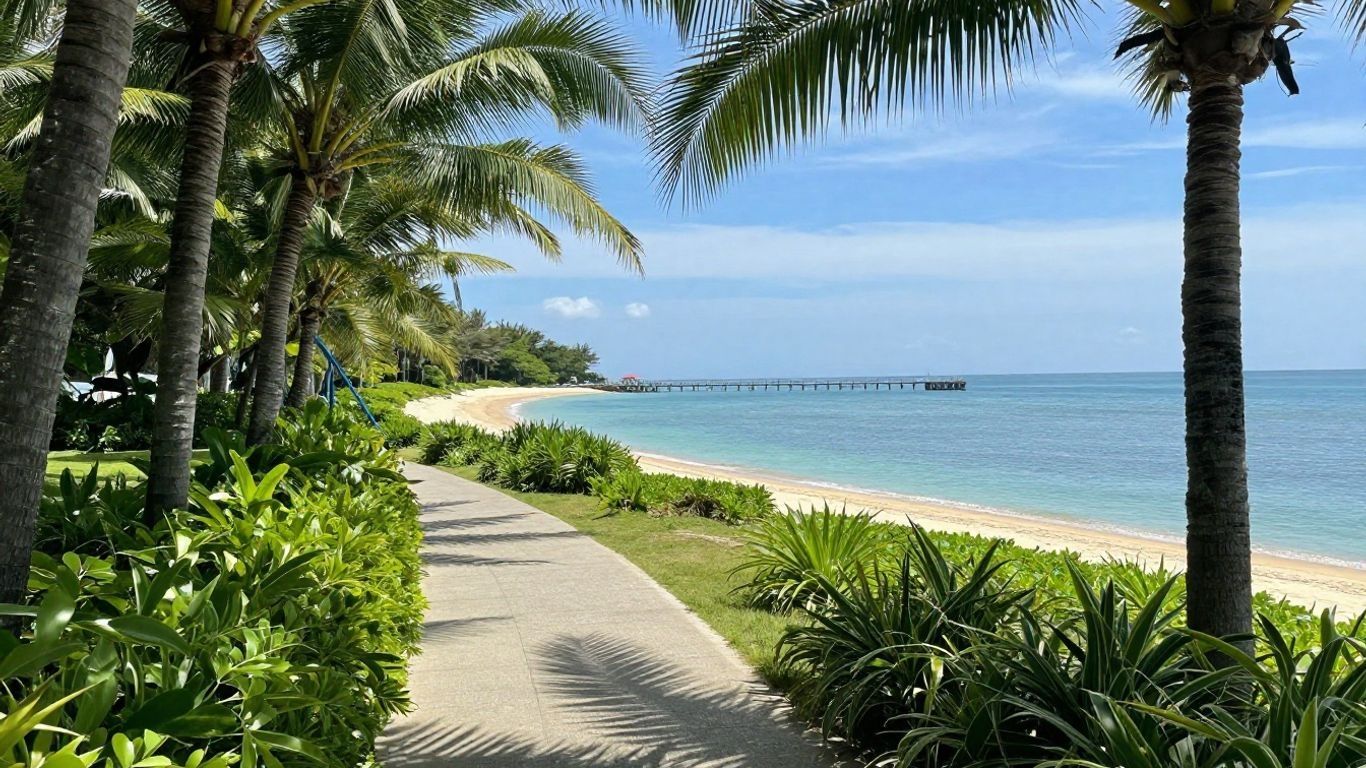
Commemorating Hernando de Soto's Expedition
For visitors interested in Florida history, De Soto National Memorial preserves the story of one of the earliest major European expeditions into the southeastern United States. The site commemorates the arrival of Hernando de Soto and his expedition, an event that played a significant role in the exploration of the region and the interactions between European explorers and Indigenous peoples.
- Commemorates the 1539 landing of Hernando de Soto in Florida
- Marks one of the earliest major European expeditions into the southeastern United States
- Examines encounters between Spanish explorers and Indigenous communities
- Interprets a four-year journey that covered thousands of miles across the Southeast
- Preserves historical accounts that provide insight into the region's cultures and landscapes during the 1500s
Together, these historical themes make De Soto National Memorial an important educational destination. The site not only tells the story of exploration and ambition but also helps visitors understand the lasting impact of the expedition on both Spanish colonial history and the Indigenous peoples whose lives were forever changed by European arrival in the Americas.
The Significance of the 1539 Landing
For those exploring the history of Florida's Gulf Coast, De Soto National Memorial preserves a landscape closely connected to the story of Hernando de Soto's 1539 expedition. Located near the mouth of the Manatee River, the site offers visitors an opportunity to experience a coastal environment similar to the one encountered by early explorers nearly five centuries ago.
- Commemorates the 1539 arrival of Hernando de Soto and his expedition
- Situated near the mouth of the Manatee River where it meets Tampa Bay
- Encompasses approximately 27 acres of preserved coastal habitat
- Features mangrove ecosystems that reflect the area's natural landscape
- Authorized by Congress in 1948 as a national memorial
- Listed on the National Register of Historic Places
Together, these features make De Soto National Memorial a unique blend of history and nature. The preserved shoreline, historical interpretation, and cultural exhibits help visitors better understand the significance of the expedition while providing a glimpse into the landscapes and communities that existed along
Florida's Gulf Coast during the early 1500s.
A Glimpse into 16th-Century Exploration
Visiting De Soto National Memorial Park gives you a chance to step back in time and imagine what 16th-century exploration was really like. The park offers various ways to connect with this history. Inside the visitor center, you can see displays featuring historic armor, weapons from that era, and other artifacts.
There's also a film that tells the story of de Soto's expedition and its interactions with the Native American populations of the time. During the cooler months, from December to April, you can experience living history demonstrations at Camp Uzita, which really brings the past to life. They even do a re-enactment of de Soto's landing on Tampa Bay beaches to wrap up the season.
It’s a way to understand not just the explorer's journey, but also the complex story of encounters between different cultures. For those interested in local history, visiting places like Manatee Village Historical Park can offer further context about the region's past.
Exploring the Natural Beauty of De Soto National Memorial Park
Visiting De Soto National Memorial Park, you’ll find yourself surrounded by a slice of Florida’s wild Gulf Coast. It’s not just a backdrop for historical drama—the park’s shoreline, trails, and local wildlife are all part of the experience. This is the spot where the sounds of the waves mix with the call of native birds. Some folks come for the history, but end up sticking around just to enjoy the breeze and watch the water.
Walking Trails Through Coastal Landscapes
The park features a couple of main walking trails for people looking to get close to nature:
- The shorter trail loops along the Manatee River, weaving through the mangroves—shaded and peaceful, especially in the morning.
- For those wanting a bit more, the longer trail winds past historic markers and memorials before heading into hammocks filled with old oaks and gumbo limbo trees.
- Both trails are gentle and mostly flat, but after storms, the sand can get deep and tricky in spots.
If you’re the type who enjoys a quiet walk, try these paths early or late in the day. The colors across the water are really something right after sunrise or just before dusk.
Scenic Waterfront Views of Tampa Bay
The park sits right where the Manatee River meets Tampa Bay, so you get some pretty striking water views. Standing at the shore, you can watch:
- The river flowing out into the wide, open bay
- Fishing boats and kayakers heading out for the day
- The sun coming up or dropping behind the palm trees
There are benches and picnic tables scattered along the waterfront, so you can actually sit and enjoy the scene for a while. Folks often bring lunch or just relax with a book. And the sunsets here? Worth sticking around for at least once.
Observing Native Flora and Fauna
De Soto National Memorial has a surprising amount of wildlife if you take a minute to look:
- Birds: You’re likely to spot ospreys, herons, pelicans, and a bunch of smaller songbirds hiding out in the mangroves or flitting through the trees.
- Mangroves: Those tangled roots along the water’s edge help support everything from crabs to tiny fish and provide shelter for young critters.
- Butterflies and bees: Native plant gardens near the visitor center often attract butterflies and busy pollinators.
Here’s a quick look at some common fauna you might see by the water:
| Animal | Where to Spot Them |
|---|---|
| Osprey & Egrets | Perched in trees, shore |
| Brown Thrasher | Hardwood hammock areas |
| Red-breasted Merganser | On the river/bay |
| Black Tern | Around docks, open water |
Sometimes you forget you’re so close to a city, since it feels more wild than you might expect. The park has a way of making you slow down and just watch what’s happening in the trees and along the water—kind of the perfect pause in a busy week.
Educational Experiences at De Soto National Memorial Park
Living History Demonstrations at Camp Uzita
Step back in time at Camp Uzita, a recreated 16th-century native village. During the cooler months, typically from December through April, this area comes alive with living history demonstrations. Park rangers and volunteers, dressed in period attire, showcase the daily lives, crafts, and survival skills of the indigenous people who lived here.
It's a chance to see firsthand how people lived before European contact. You can even try on a piece of replica armor to get a feel for what the Spanish explorers carried. This immersive experience really helps you connect with the past in a tangible way.
Interpretive Exhibits on Early Exploration
The visitor center at De Soto National Memorial is packed with information that goes way beyond just a few signs. You'll find displays featuring authentic 16th-century artifacts, including weapons and armor, giving you a real sense of the technology and challenges of the era. There's also a short film that details Hernando de Soto's expedition and its impact on the region's Native American populations.
It’s a good starting point to understand the historical context before you explore the park's trails. If you're interested in learning more about Florida's early history, the Bishop Museum of Science and Nature offers a broader look at the state's past and natural heritage.
Understanding the Impact on Native Cultures
De Soto National Memorial doesn't shy away from the complex and often difficult story of Hernando de Soto's arrival in Florida. The park's interpretive programs and exhibits focus on the significant and lasting impact the expedition had on the indigenous peoples of the Southeast.
It’s important to remember that this encounter was not just about exploration; it marked the beginning of profound cultural changes and conflicts. The park aims to present this history in a balanced way, acknowledging the perspectives of both the Spanish explorers and the Native American tribes they encountered.
This historical context is vital for understanding the full story of this period in American history. For a broader understanding of the region's history and natural environment, consider visiting nearby attractions like Robinson Preserve.
Visitor Information for De Soto National Memorial Park
Planning your visit to De Soto National Memorial Park is pretty straightforward. The park is open year-round, but it's always a good idea to check for any seasonal closures or special events before you head out. Admission to the park is completely free, which is fantastic for anyone looking to explore without breaking the bank.
Park Hours and Admission
The park itself is accessible from dawn until dusk, giving you plenty of daylight hours to explore. However, the parking lot has a slightly earlier closing time, typically at 5:00 p.m. Keep that in mind so you don't get locked in! The visitor center, where you can find exhibits and information, usually operates from 9:00 a.m. to 5:00 p.m. daily. Just like most national parks, De Soto National Memorial observes closures on federal holidays, so plan accordingly.
Directions and Parking
For visitors planning a trip to De Soto National Memorial, the park is conveniently located along the Manatee River in western Bradenton and is easily accessible from downtown and surrounding Gulf Coast communities.
- Located in Bradenton, Florida, at the end of 75th Street West
- Situated directly on the banks of the Manatee River
- Accessible from downtown Bradenton via Manatee Avenue West and 75th Street West
- Offers on-site parking near the visitor center
- Provides additional parking at the adjoining Riverview Pointe Preserve when needed
- Welcomes leashed dogs on designated trails
- Requires pets to remain out of the water and on established pathways
- Does not permit bicycles within the park boundaries
Together, these visitor amenities help make De Soto National Memorial an accessible destination for history enthusiasts, nature lovers, and families. Its waterfront location, convenient parking options, and well-maintained trail system allow guests to comfortably explore the park while preserving the natural and historical resources that make the site significant.
Amenities and Facilities
Inside the visitor center, you'll find restrooms and often exhibits detailing the history of Hernando de Soto's expedition. Along the walking trails, there are numerous benches and picnic tables available, perfect for taking a break and enjoying the scenery.
While the park is generally well-equipped, it's worth noting that sometimes facilities can be affected by weather events, so a quick check of the official park website before your visit is always a smart move. If you're looking for more extensive natural exploration, consider checking out Robinson Preserve nearby, which offers different kinds of coastal habitats.
Activities and Recreation at De Soto National Memorial Park
De Soto National Memorial Park isn't just about stepping back in time; it's also a fantastic spot to get outside and enjoy the Florida landscape. Whether you're looking for a peaceful walk or a chance to observe nature, there's something here for everyone.
Nature Trails and Guided Walks
The park offers a couple of walking paths that let you experience the natural beauty firsthand. The main trail system is about 1.2 miles long and winds through different environments. You'll find yourself strolling through coastal hammocks and along the waterfront.
Keep an eye out for the interpretive markers along the way; they offer insights into the area's history and ecology. It's a great way to get some exercise while learning about the park's significance. Sometimes, park rangers lead guided walks, which are highly recommended if you want to get the most out of your visit and learn from an expert.
Bird Watching Opportunities
For those who enjoy spotting wildlife, De Soto National Memorial Park is a pretty good place to do it. The mix of coastal habitats, mangroves, and trees attracts a variety of bird species. You might see wading birds along the water's edge, songbirds in the trees, and various waterfowl depending on the season. Bring your binoculars and a field guide if you're serious about identifying what you see. It's a peaceful way to connect with the natural world.
Picnicking and Waterfront Enjoyment
For visitors looking to relax and enjoy the scenery, De Soto National Memorial offers several picturesque locations for picnicking and waterfront recreation. The combination of historic landscapes and coastal views creates a peaceful setting for spending time outdoors.
- Features picnic tables, benches, and resting areas located throughout the park, including along trails and near the waterfront
- Offers scenic views of the Manatee River and Tampa Bay, providing a tranquil backdrop for meals and relaxation
- Allows visitors to experience a natural environment that reflects the coastal landscapes encountered by early explorers centuries ago
Together, these amenities enhance the visitor experience by combining outdoor recreation with historical appreciation. The park's serene waterfront setting encourages guests to slow down, enjoy the scenery, and connect with both the natural beauty and historical significance of this unique Gulf Coast destination.
The Historical Context of De Soto National Memorial Park
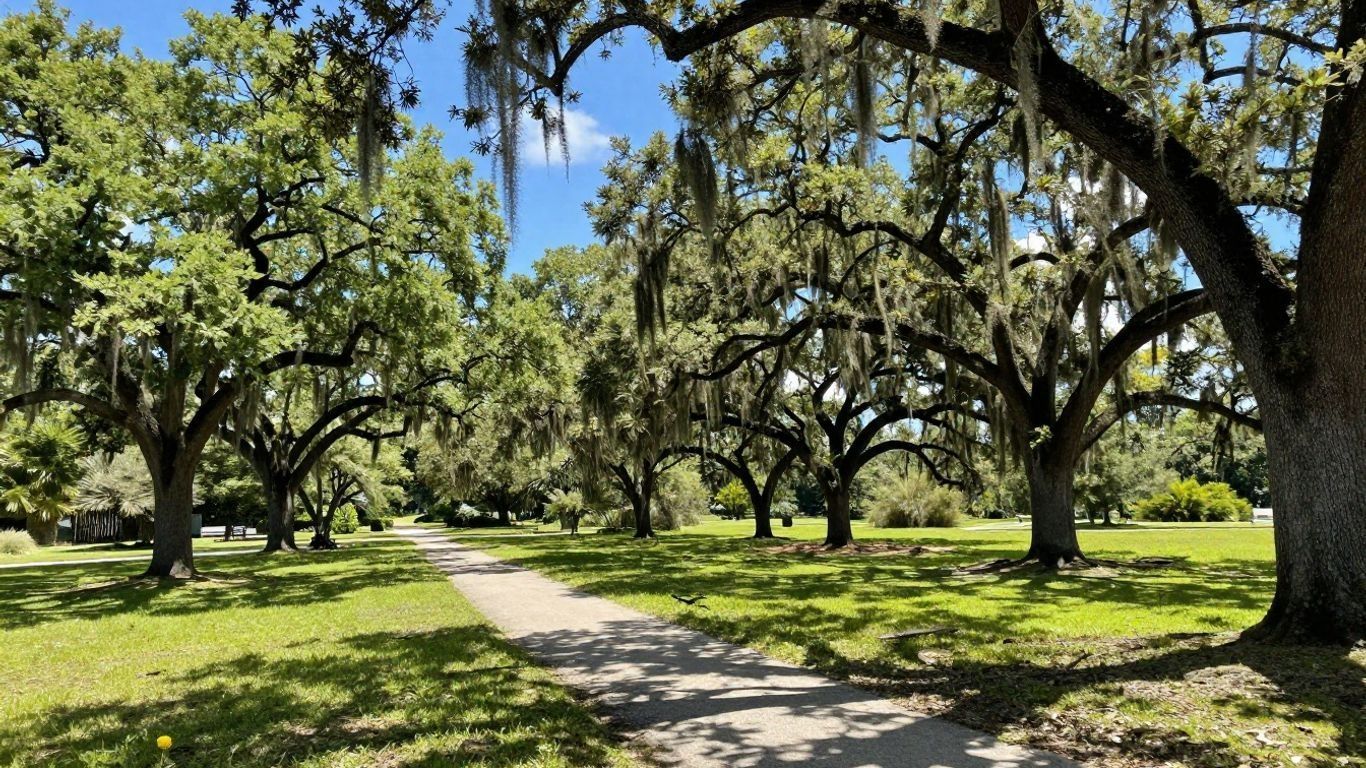
Authorized by Congress
De Soto National Memorial Park came into being through official recognition on March 11, 1948, when Congress passed Public Law 80–441. This wasn't just a random patch of green space turned into a park—there was intent behind it. The aim was to mark the location of Hernando de Soto’s 1539 landing and tell the bigger story of Spanish exploration in North America.
- Officially created: March 11, 1948
- Congressional act: Public Law 80–441
- Location: Northwest Bradenton, at the mouth of the Manatee River
This act signaled a larger commitment to not only remember the early European landing but to address the complexities that came with it—cultural exchanges, conflicts, and the consequences that unfolded on this Florida coast.
Even before its designation, folks in the area knew they were living on ground layered with history, where the Manatee River meets the bay and echoes of the 16th century linger just beneath the surface.
Inclusion on the National Register of Historic Places
On October 15, 1966, the park was added to the National Register of Historic Places as the Shaw’s Point Archeological District. What does this actually mean? It’s more than a fancy title. This move recognized the site’s archaeological and cultural value, making it part of the country’s permanent story. The site’s unique geography—26.84 acres where the river runs into Tampa Bay—includes areas dense with native plant life and hints of the past just beneath your feet.
Here’s a quick-reference table about some park facts:
| Year Added to National Register | Area (acres) | Coastline (feet) | Official Site Name on Register |
|---|---|---|---|
| 1966 | 26.84 | 3,000 | Shaw’s Point Archeological District |
Being on the National Register helps ensure that future projects or changes can’t erase what’s left of this chapter in American history.
Preserving a Controversial Story
Not every bit of history is so easy to celebrate. De Soto and his men left a mark that is still discussed today. The park’s mission is to keep this story visible, even if it’s complicated.
- The landing led to huge changes for Indigenous groups in the Southeast.
- The clash between Spanish explorers and Native Americans was often violent.
- The area is preserved so the public can reflect, learn, and question the past.
Today, you still hear debates about how stories like these are told.
- Living history demonstrations at the park bring the events of 1539 to life each season
- Signs and exhibits ask visitors to consider both sides: European ambition and Indigenous resistance
- The park supports ongoing study and discussion—not just reverence or blame
If you’re interested in other spots nearby that keep local history and ecology alive, Robinson Preserve balances natural beauty with a commitment to public memory in much the same way.
All things considered, De Soto National Memorial Park shows how messy, layered, and important American history can be. It’s not just about old plaques and names on a map—it’s a living place where the past still has something to say.
The De Soto National Memorial Park has a rich past, telling the story of early explorers and the Native American tribes who lived there. It's a place where history comes alive, showing us how life was centuries ago. To learn more about this fascinating history and plan your visit, check out our website!
Conclusion
De Soto National Memorial Park offers a unique blend of history and nature, reminding us of Florida's complex past and its beautiful present. Whether you're interested in the stories of early explorers, the natural beauty of the coastal landscape, or simply a peaceful place to walk and reflect, this park has something to offer. It's a great spot to learn, explore, and connect with the environment, making it a worthwhile visit for anyone in the Bradenton area.
Plan Your Bradenton Stay at Cedar Run Resort
From learning about Florida’s early history at De Soto National Memorial Park to walking coastal trails and taking in views of the Manatee River and Tampa Bay, Bradenton offers plenty of ways to explore at your own pace. Make Cedar Run Resort your home base while discovering the area’s historic sites, preserves, beaches, and local attractions.
After a day of sightseeing, return to a comfortable place where you can relax and get ready for whatever is next on your itinerary. Explore accommodations, resort amenities, family-friendly feature and start planning your Bradenton getaway.
Frequently Asked Questions
What is De Soto National Memorial Park all about?
It's a park that remembers when a Spanish explorer named Hernando de Soto first arrived in Florida way back in 1539. It's a place where you can learn about that time and also enjoy the natural scenery.
Can I walk around the park?
Yes, absolutely! There are nice walking trails that take you through the coastal areas and give you pretty views of Tampa Bay. It's a great way to see the park's natural side.
Are there any special events or demonstrations?
Sometimes, you can see living history demonstrations at a place called Camp Uzita. It's like stepping back in time to see how people lived during de Soto's era. They also have exhibits inside that tell the story of the exploration.
How much does it cost to get into the park?
Good news – it's free to visit De Soto National Memorial Park! You don't have to pay any admission fees to explore the trails or see the exhibits.
What kind of wildlife might I see?
Since it's on the coast, you might see different kinds of birds. The park's trails go through areas that are home to local birds, and the waterfront is a good spot for watching them.
Is the park good for learning about history?
Definitely. The park has exhibits that explain Hernando de Soto's journey and what happened when Europeans met the native peoples of Florida. It helps you understand a big part of American history.
Why is Manatee County important to the history of De Soto National Memorial?
The memorial is located in Manatee County along the Gulf Coast of Florida. Historians believe this region is closely connected to Hernando de Soto's arrival in 1539, making it an important location for preserving and interpreting this chapter of American history.
What can visitors learn about the Soto Expedition?
Visitors can learn about the challenges, goals, and consequences of the Soto Expedition through exhibits, ranger programs, and interpretive displays. These educational resources explore both the explorers' journey and its lasting effects on Indigenous communities throughout the Southeast.