
Bradenton Bird Watching In Robinson Preserve
Bradenton Bird Watching In Robinson Preserve
By: John Ishmael Acuyado | June 17, 2026
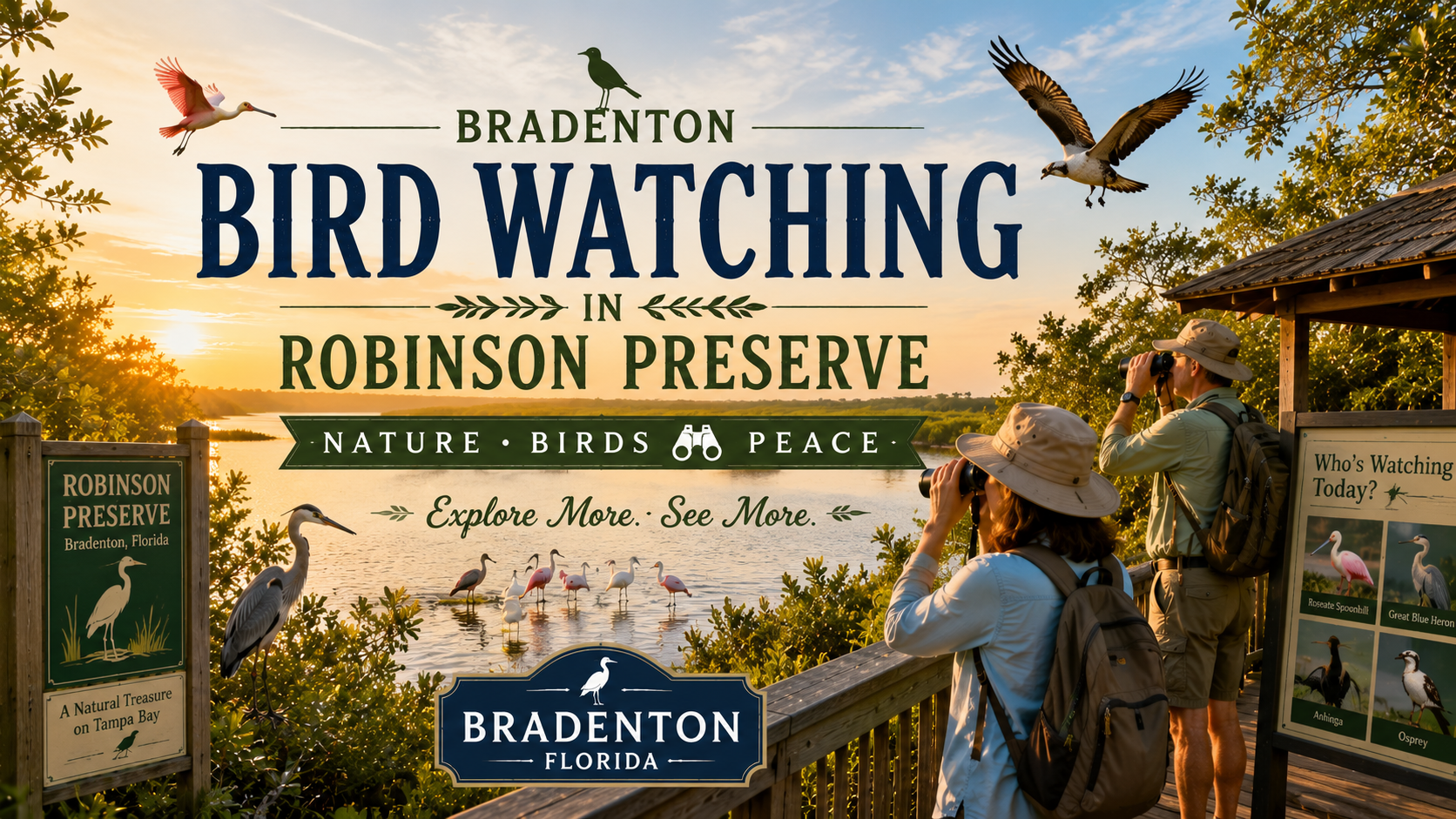
To make the most of your bird watching adventure in Robinson Preserve, keep these essential points in mind:
Key Takeaways
- Robinson Preserve offers varied habitats like wetlands, mangroves, and grasslands, attracting a wide range of bird species.
- Look for year-round residents like waders and shorebirds, as well as seasonal migrants.
- Utilize the North and South entrances and the trail network to explore different birding hotspots.
- Practice responsible bird watching by respecting wildlife, minimizing your impact, and using appropriate equipment.
- Consider participating in citizen science events and exploring the expanded areas for new discoveries.
Discovering Bird Habitats in Robinson Preserve in Bradenton
Robinson Preserve’s success as a birding destination stems from its carefully restored coastal ecosystems, which provide ideal conditions for a wide range of wildlife.
- Explore a restored landscape that transformed former agricultural land into thriving natural habitats
- Observe birds across wetlands, mangrove forests, and other coastal ecosystems
- Discover environments that support everything from small shorebirds to large birds of prey
- Experience a preserve designed to promote biodiversity and long-term ecological health
- Increase wildlife viewing opportunities by exploring the preserve’s diverse habitat zones
Taken together, these restoration efforts have helped make Robinson Preserve one of the region’s premier birding destinations. The preserve’s mosaic of wetlands, mangroves, and coastal habitats creates a rich environment where numerous species can feed, nest, and thrive, giving visitors exceptional opportunities to observe wildlife while gaining a deeper appreciation for the importance of habitat conservation.
Wetlands and Marsh Ecosystems
The heart of Robinson Preserve is its expansive wetlands and marsh areas. These are the places where water meets land, creating shallow pools, muddy flats, and dense vegetation. Think of it as a natural bird spa and restaurant. You'll find wading birds like herons and egrets probing the shallows for fish and amphibians. The muddy edges are perfect for sandpipers and plovers, who use their specialized beaks to find invertebrates. Even during drier spells, these areas retain enough moisture to support insect life, which in turn attracts insectivorous birds.
Here's a quick look at what you might find in these wet zones:
- Wading Birds: Great Blue Herons, Snowy Egrets, Tricolored Herons.
- Shorebirds: Sanderlings, Dunlin, Black-bellied Plovers.
- Waterfowl: Various duck species, especially in cooler months.
These wetland areas are dynamic, changing with the tides and seasons. What you see one day might be slightly different the next, which is part of the excitement of birdwatching here.
Mangrove Edges and Salt Flats
The mangrove forests and salt flats at Robinson Preserve create some of the most productive wildlife habitats in the area, offering excellent opportunities for bird observation.
- Explore mangrove ecosystems that provide shelter, nesting areas, and protection for numerous bird species
- Watch ospreys perch above the water as they search for fish in nearby channels and wetlands
- Observe terns, gulls, and other coastal birds feeding along the edges of open water and mudflats
- Discover salt flats that support insects, crustaceans, and other food sources essential to the ecosystem
- Experience the transition zone where wetlands, mangroves, and coastal waters support diverse wildlife populations
Taken together, these habitats make Robinson Preserve a standout destination for Bradenton bird watching. The combination of mangrove forests, salt flats, and adjacent waterways creates a rich feeding and nesting environment that attracts a wide variety of species, giving visitors exceptional opportunities to observe coastal birds in their natural surroundings.
Coastal Grasslands and Hammocks
Beyond the immediate water's edge, Robinson Preserve also features coastal grasslands and small hammock areas (patches of trees). The grasslands offer open spaces for ground-nesting birds and foraging opportunities for seed-eaters.
Hammocks, with their denser tree cover, provide shelter and attract different species, including woodpeckers and songbirds, especially during migration. These varied habitats mean that no matter where you look, there's a good chance you'll find something interesting to observe. Exploring the diverse ecosystems here is a rewarding experience for any nature enthusiast.
Popular Bird Species to Watch in Robinson Preserve around Bradenton area
Robinson Preserve is a fantastic spot for bird watching, and you never quite know what you might see. The variety of habitats here means you can find all sorts of feathered friends throughout the year. It's really quite something.
Year-Round Waders and Shorebirds
Even when the migratory birds head north, Robinson Preserve remains a lively place. The shallow waters and mudflats are magnets for birds that stick around all year. You'll often see Great Egrets and Great Blue Herons wading patiently, looking for their next meal. Keep an eye out for the striking Roseate Spoonbills, too; their vibrant pink color really stands out against the green and blue. Ospreys are also a common sight, soaring overhead or perched on a nearby snag. Don't forget to scan the shorelines for various sandpipers and plovers busily foraging. Brown Pelicans are almost always present, either fishing or just hanging out.
- Herons and Egrets: Great Egret, Great Blue Heron, Snowy Egret, Tricolored Heron
- Shorebirds: Sanderling, Dunlin, various Plovers
- Other Residents: Osprey, Brown Pelican, Magnificent Frigatebird, Least Tern
Iconic Raptors and Waterfowl
Robinson Preserve offers excellent opportunities to observe birds of prey and waterfowl, making it a favorite destination for wildlife enthusiasts throughout the year.
- Look for Bald Eagles soaring overhead or perched in tall trees throughout the preserve
- Watch for raptors such as Red-shouldered Hawks hunting and patrolling wetland habitats
- Observe resident waterfowl, including Mottled Ducks, in ponds, marshes, and shallow wetlands
- Experience increased duck diversity during migration and cooler seasonal months
- Visit expanded habitat areas and wildlife observation zones for enhanced bird-viewing opportunities
Taken together, these sightings highlight the ecological diversity of Robinson Preserve. The preserve’s combination of wetlands, open water, and forested habitats supports an impressive range of raptors and waterfowl, providing rewarding experiences for both casual visitors and dedicated birders interested in Bradenton bird watching.
Highlights of Migration Seasons
Migration periods are when Robinson Preserve truly shines for birders. During spring and fall, the preserve becomes a vital stopover point for countless birds traveling along the coast. Warblers are a major attraction, with many species passing through, flitting among the trees.
Swallows can be seen in large numbers, swooping and diving over the water. You might also encounter migrating shorebirds and waterfowl, adding even more species to your checklist. It's a dynamic time, and checking recent sightings on platforms like eBird can give you a heads-up on what's currently passing through Robinson Preserve.
Navigating Robinson Preserve for Birdwatching
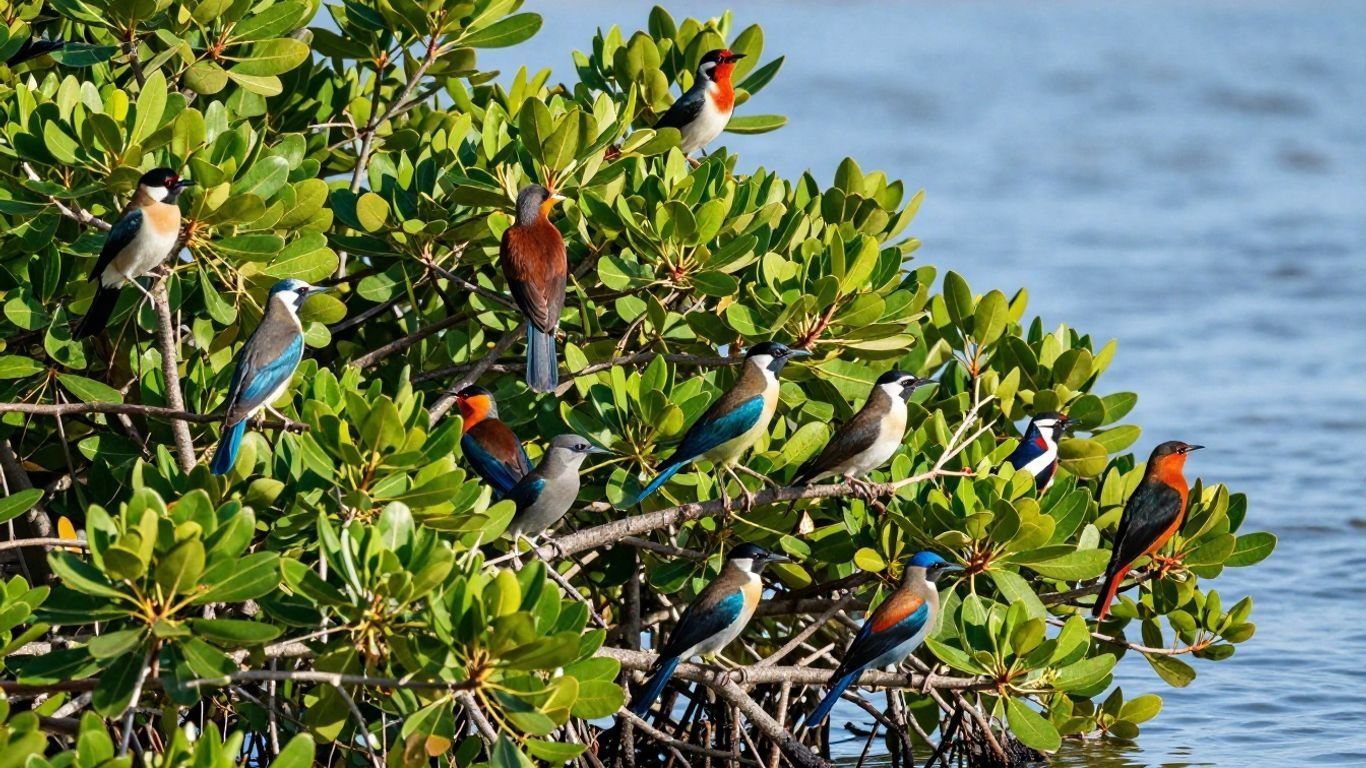
Robinson Preserve isn’t your average park—this place is a sprawling sweep of coastal habitats tucked right into northwest Bradenton. Getting the most from a visit means knowing which entrance to use, which trail to walk, and where to pause with your binoculars. Knowing how to get around turns a good birdwatching day into a great one. Here’s exactly how to get yourself pointed in the right direction.
North and South Entrances Explained
If you’re heading to Robinson Preserve, the two main entry points can shape the experience from the start.
Here's what to expect:
- North Entrance (1704 99th Street NW): Closest access to the Valentine House, observation tower, and main stretch of wetlands. It puts you in the heart of wader and raptor territory, and the parking situation is usually straightforward.
- South Entrance (10299 9th Ave NW): This newer side connects directly to the NEST (the educational hub), canopy walk, and the wide, rubberized trail. It’s ideal for checking out newly restored habitats and ducks on seasonal ponds.
- Manatee Ave Walk-Through Entrance: If you’re up for a longer trek, park just south of Manatee Avenue and follow the walkway across Perico Bayou. This puts you near quieter corners, linking Robinson and neighboring preserves for more solitude and less hubbub.
| Entrance | Key Features | Best For |
|---|---|---|
| North (99th St NW) | Observation tower, | Shorebirds, raptors, main park access |
| main boardwalks | ||
| South (9th Ave NW) | NEST, canopy walk, | Family birding, ducks, beginner trails |
| restoration areas | ||
| Manatee Ave Walk-Thru | Quiet trails, marsh, | Off-the-beaten-path birdwatching |
| access to Winston Tract |
For first-time visitors, starting at the north entrance gives a real sense of the preserve’s size and the variety of habitats, while the south entrance feels a bit more modern and educational.
Trail Networks and Birding Hotspots
With over 13 miles of trails weaving through wetlands, grasslands, and mangroves, it can feel overwhelming to pick a path. The good news? Trails are clearly marked, and major branches lead right to the main birdwatching zones.
Some popular routes:
- Paved main trail: Easy to follow from almost any entrance. Great for all mobility levels. Runs straight to water overlooks and long marsh views.
- Boardwalks: These cut through mangroves and across salt flats. They’re perfect for catching herons, egrets, and sometimes even rails or wood storks at close range.
- Canopied walks: Located near the NEST, these elevated walkways give you an overhead view where you might spot ospreys or hawks.
- Side branches to perimeter marshes: Less crowded, sometimes more rewarding for patient birders looking for sparrows, small waterfowl, or warblers during migration.
Trails are a mix of paved, shell, and boardwalk surfaces—just stay on paths to protect both the habitat and your shoes! For a full outing, you can link several trails and make a circle from one entrance to another if you’ve got the energy (and snacks).
Observation Tower and Canopy Zone
Birdwatchers love the 40-foot observation tower. From the top, the whole patchwork of marsh, forest, and open water unfolds. It’s the best spot to scan for soaring eagles or catch those giant white pelicans gliding in winter.
A few highlights from these viewing areas:
- Tower overlooks lower Tampa Bay and Anna Maria Island.
- The Canopy Zone—right by the NEST—has a skywalk that’s not just for kids. It’s quieter in the early morning or late afternoon, and hawks sometimes pass overhead.
- Both sites have benches for sitting with your scope or camera when you want to see what turns up over time.
The sense of space from the top platforms always reminds me why this park is such a standout in Bradenton. Even if you’re not a diehard birder, the views alone are worth lugging your binoculars up the stairs. For a quick look at what else Bradenton offers for outdoor explorers and nearby attractions, you might want to check out coastal activities in Bradenton next time you’re here.
Tips for Responsible and Rewarding Bird Watching
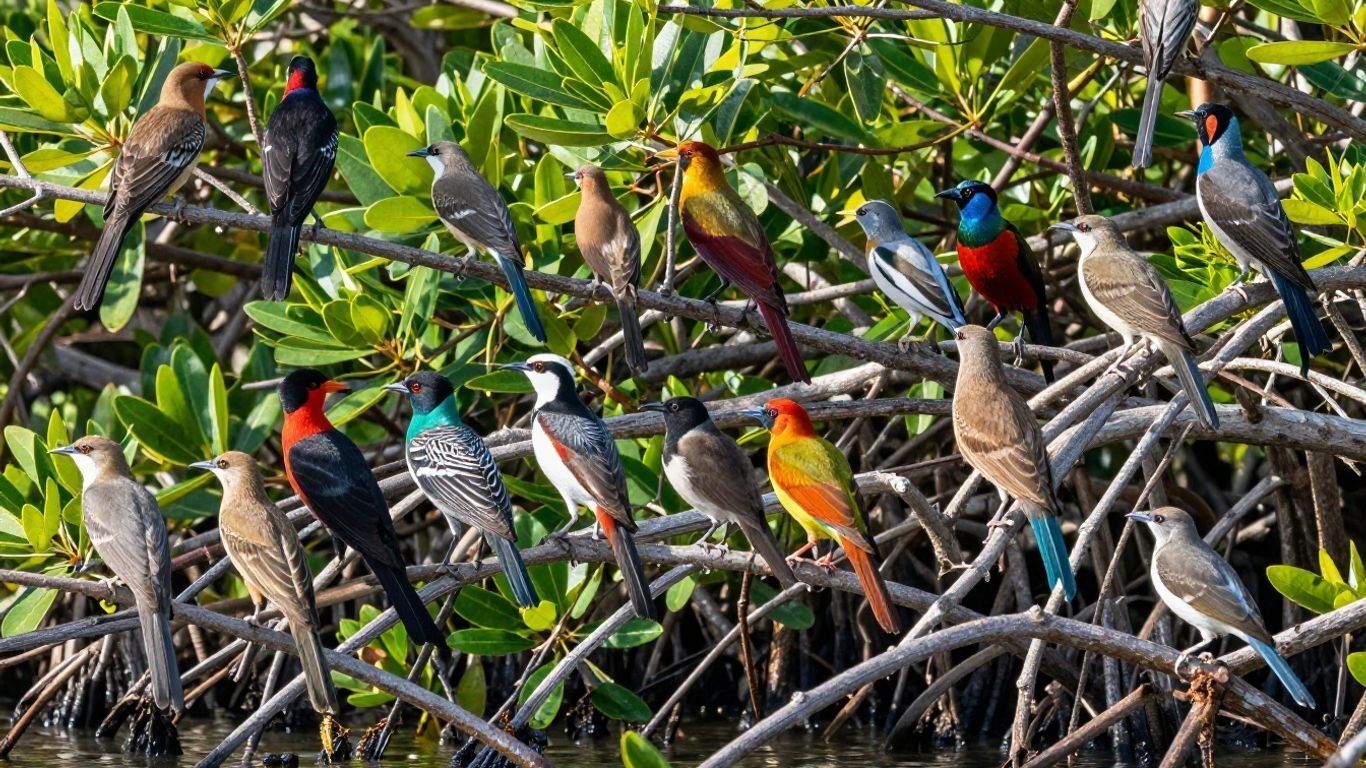
Heading out to Robinson Preserve for some bird watching is a fantastic idea. To make sure your visit is enjoyable for both you and the birds, there are a few things to keep in mind. It's all about being a good guest in their home, you know?
Best Practices for Wildlife Photography
Bird photography at Robinson Preserve can be incredibly rewarding, especially for visitors willing to take their time and observe wildlife carefully.
- Practice patience and remain quiet to increase the chances of natural wildlife encounters
- Focus on capturing sharp images of a bird’s eye to create more engaging photographs
- Start with larger, easier-to-spot species such as shorebirds while building your photography skills
- Respect wildlife by maintaining an appropriate distance and avoiding disturbances
- Consider waterproof footwear when exploring areas near wetlands, shorelines, or shallow water habitats
Taken together, these techniques can help visitors make the most of their photography experience at Robinson Preserve. The preserve’s diverse habitats and abundant wildlife provide excellent opportunities for nature photography, and a patient, respectful approach often leads to more authentic and memorable images of birds and other native species in their natural environment.
Etiquette for Birdwatchers
Being a good birdwatcher is pretty simple, really. It boils down to a few core principles:
- Stay Quiet: Loud noises can scare birds away. Try to move slowly and speak softly.
- Don't Feed the Birds: Feeding them can disrupt their natural diet and behavior, and it's not good for the ecosystem.
- Respect Their Homes: Never disturb nests or perches. If a bird feels threatened, it might abandon its nest.
- Leave No Trace: Pack out everything you pack in. Let's keep Robinson Preserve beautiful for everyone.
Remember, you're visiting a natural habitat. Your goal is to observe and appreciate, not to interfere. The less impact you have, the better.
Choosing the Right Birding Equipment
You don't need a ton of fancy gear to enjoy bird watching. A good pair of binoculars can make a world of difference, letting you see details you'd otherwise miss. If you're interested in photography, even a smartphone camera can capture great moments. For those looking to step up their photo game, consider a camera with good autofocus.
If you're unsure about what to get, local shops can offer advice. Sometimes, the best equipment is simply your own eyes and a willingness to observe. For a great place to start exploring the area, check out the Bradenton Riverwalk for a different kind of outdoor experience.
Seasonal Changes and Special Birding Events
Robinson Preserve is a dynamic place, and what you see there really changes with the seasons. It's not just about the birds, but how the whole environment shifts, bringing in different species and creating unique viewing opportunities throughout the year.
Spring and Fall Migration Highlights
Migration season brings some of the most exciting bird-watching opportunities to Robinson Preserve, as countless birds pass through the area during their seasonal journeys.
- Observe migratory songbirds, including warblers, as they move between breeding and wintering grounds
- Experience increased bird activity during both spring and fall migration periods
- Watch swallows and other species gather in large groups as they travel along migration routes
- Discover species that may only be present for a short time each year
- Explore a preserve that serves as an important stopover habitat along Florida’s Gulf Coast
Taken together, these seasonal migrations make Robinson Preserve a premier destination for Bradenton bird watching. The preserve's diverse habitats provide essential resting and feeding areas for traveling birds, creating exceptional opportunities for visitors to observe a wide variety of species and experience the dynamic nature of Florida’s coastal ecosystems throughout the year.
Bird Counts and Citizen Science Opportunities
Getting involved in bird counts is a fantastic way to contribute to science and learn more about the birds in Robinson Preserve. These events are often organized by local birding groups or conservation organizations.
They're usually pretty straightforward – you go out with a group, identify and count the birds you see in a specific area for a set amount of time. It's a fun way to spend a morning and you'll likely pick up some identification tips from more experienced birders.
Participating in these counts helps scientists track bird populations and understand how they're doing over time. It's a real win-win: you get to birdwatch, and you help with important research.
Family-Friendly Birding Activities
Robinson Preserve is an excellent destination for families looking to introduce children to bird watching and outdoor exploration in a fun, accessible environment.
- Explore easy-to-navigate trails that are suitable for visitors of various ages and skill levels
- Take advantage of open viewing areas that make wildlife observation more approachable for children
- Participate in guided walks and educational nature programs when available
- Use illustrated field guides to help kids identify birds and turn the experience into an interactive adventure
- Encourage curiosity about wildlife, conservation, and local ecosystems through hands-on observation
Taken together, these features make Robinson Preserve a rewarding destination for families, beginner birders, and nature enthusiasts. The preserve's accessible layout and educational opportunities help create meaningful outdoor experiences, while its constantly changing wildlife activity ensures that every visit offers something new to discover. Because bird movements can vary with weather conditions, migration patterns, and food availability, maintaining flexibility during your visit often leads to some of the most memorable and unexpected sightings.
Exploring the NEST and Robinson Expansion Areas
The NEST and the preserve’s expansion areas have added new opportunities for visitors to learn about and experience the natural environments that make Robinson Preserve so unique.
- Visit the Mosaic Center for Nature, Exploration, Science and Technology (The NEST) to learn more about local ecosystems, wildlife, and conservation efforts
- Explore expanded coastal wetland habitats that support a growing diversity of bird species and native wildlife
- Enjoy dedicated walking trails designed for a quieter and more immersive nature experience
- Access additional kayak launches and paddling routes that provide unique perspectives of the preserve
- Discover new areas that enhance bird watching, wildlife observation, and environmental education
Taken together, these additions have further strengthened the appeal of Robinson Preserve as one of the region's great birding locations. The combination of educational resources, expanded habitats, accessible trails, and water-based exploration opportunities allows visitors to engage more deeply with the preserve while gaining a greater appreciation for the coastal ecosystems that support such abundant wildlife.
What Makes the NEST Unique for Birders
The NEST is designed to connect visitors with the natural world of Robinson Preserve. It offers insights into the local ecosystem and the importance of conservation. For birders, this means a deeper appreciation for the species they encounter. The center often has exhibits or information that can help identify birds or explain their behaviors and habitats within the preserve. It's a good starting point before you even hit the trails.
Expansion Tracts and New Trails
These newer sections of the preserve are where a lot of the habitat restoration has really paid off. You'll find more diverse wetland areas here, which attract a wider variety of birds, especially waterfowl and shorebirds.
The addition of a dedicated pedestrian trail makes exploring these areas a peaceful experience. It's a chance to see the preserve in a slightly different light, with habitats that are still developing but already teeming with life. Keep an eye out for woodpeckers and maybe even some cuckoos if you're lucky.
Accessibility and Amenities
Getting around the NEST and the expansion areas is pretty straightforward. The new pedestrian trail is easy to walk, and there are restrooms and picnic spots available, making it convenient for a longer visit. The NEST itself is designed to be accessible, so everyone can learn about the preserve's natural wonders.
It's a well-thought-out addition that makes the whole Robinson Preserve experience more enjoyable and educational for all visitors, whether you're a seasoned birder or just out for a stroll. You can find more information about things to do in Bradenton to plan your visit.
Extended Outdoor Adventures in Robinson Preserve
Kayak Routes for Waterbird Encounters
Robinson Preserve isn't just for walking; it's also a fantastic spot to get out on the water. Two kayak launches give you access to the sheltered bayous and tidal waterways that snake through the preserve. Paddling here offers a totally different perspective on the birdlife.
You can glide quietly through mangrove tunnels, getting up close to wading birds like egrets and herons that might be a bit shy on land. Keep an eye out for Roseate Spoonbills, too – they're quite a sight! It's a peaceful way to explore, and you might even spot some marine life along the way. Remember to check the tides before you go; it makes paddling a lot easier.
Boardwalks and Scenic Water Overlooks
If kayaking isn't your thing, don't worry. The preserve has miles of trails, and many of them lead to boardwalks and overlooks that are perfect for birdwatching. These elevated paths take you right over the marshy areas and water, giving you clear views without disturbing the habitat.
The observation tower is a must-see, offering panoramic views that stretch out over Tampa Bay and towards Anna Maria Island. From up there, you can really appreciate the scale of the preserve and spot birds from a distance. It’s a great place to just sit, observe, and soak in the natural beauty of the area. You can find more information about exploring Bradenton, Florida's attractions to plan your visit.
Combining Hiking with Bird Watching
Robinson Preserve is well-suited for combining hiking with bird watching, thanks to its extensive trail system and diverse habitats.
- Explore more than 13 miles of interconnected trails throughout the preserve
- Walk paved paths, packed shell routes, and elevated boardwalks for varied terrain experiences
- Observe different bird species depending on habitat zones along your route
- Visit mangrove edges for water birds and grassland areas for additional species diversity
- Follow designated trails to help protect sensitive ecosystems and wildlife habitats
Robinson Preserve offers amazing outdoor fun! You can explore trails, enjoy the fresh air, and see cool nature. It's a great spot for a day out. Want to plan your next adventure? Visit our website to find out more about what Robinson Preserve has to offer and book your stay!
Conclusion
Robinson Preserve is a fantastic spot for anyone interested in birds and nature. Whether you're a seasoned birder or just starting out, the diverse habitats and abundant wildlife offer a rewarding experience. Remember to tread lightly, respect the environment, and enjoy the incredible natural beauty that Bradenton has to offer. Happy birding!
Stay Close to Bradenton’s Outdoor Adventures
After a day of bird watching, hiking, or paddling through Robinson Preserve, having a comfortable place to unwind makes the experience even better. Cedar Run Resort offers a convenient Bradenton home base for travelers who want to explore the area’s preserves, beaches, waterways, and other outdoor attractions.
Spend your days discovering local wildlife and Florida’s Gulf Coast scenery, then return to a relaxing resort setting where you can recharge for the next adventure. Explore accommodations, amenities, family-friendly features and more!
Frequently Asked Questions
What kind of birds can I see at Robinson Preserve?
You can see a lot of different birds here! There are birds that stay all year, like herons and egrets, and others that visit during certain times of the year, like warblers. Keep an eye out for raptors like ospreys and bald eagles too. It really depends on the season, but there's always something interesting to spot.
Are there good walking trails for bird watching?
Yes, absolutely! Robinson Preserve has many miles of trails, including boardwalks and even an observation tower. These paths take you through different parts of the preserve, giving you chances to see birds in wetlands, near the water, and up in the trees.
Is it hard to find your way around Robinson Preserve?
Not really. The preserve has a North and a South entrance, and the trails are usually marked pretty well. There's also a map available to help you figure out where you're going. It’s designed so you can explore different areas easily.
What's the best time of day for bird watching?
Early mornings and late afternoons are usually the best times. Birds are often most active when it's cooler, looking for food. Plus, the light is usually softer then, which is great if you're taking pictures.
Can I bring my dog to Robinson Preserve?
Yes, you can bring your dog, but they need to be on a leash. It's important to keep them close so they don't disturb the wildlife. Remember to clean up after your pet too!
Do I need special equipment to go bird watching?
You don't need a lot of fancy gear to start. A good pair of binoculars will help you see birds better from a distance. If you like taking photos, your phone camera can work, or you can look into getting a camera with a zoom lens. Mostly, just bring your curiosity!
Is Robinson Preserve in Bradenton One of the Best Birding Trails in Manatee County?
Yes, many local birders consider Robinson Preserve in Bradenton one of the top birding trails in the region. The preserve features wetlands, mangroves, observation towers, and coastal habitats that attract a wide variety of species throughout the year. Its location in Manatee County makes it a popular destination for both beginner and experienced bird watchers looking for excellent wildlife viewing opportunities.
Can You See Painted Buntings at Robinson Preserve?
While not guaranteed, the colorful Painted Bunting can occasionally be spotted during migration periods or in suitable habitat areas near the preserve. Birders should check eBird recent reports before visiting, as seasonal movements and weather conditions can influence sightings. Bringing binoculars and arriving early can improve your chances of spotting rare visitors.
What Other Great Birding Locations Are Near Robinson Preserve?
In addition to Robinson Preserve, the Bradenton area offers several other great birding locations. Nearby sites include Felts Preserve, Neal Preserve, Emerson Point Preserve, and coastal areas along the Manatee River. Exploring multiple preserves can help birders encounter a wider variety of species and habitats during a single trip.